
Most homeowners only think about plumbing when something goes wrong—when a pipe bursts, when the shower stops working, or when the kitchen drain suddenly backs up. The truth is, your home’s plumbing system works quietly in the background every day, making modern living comfortable and safe. But without proper care, even small issues can turn into major headaches. That’s why understanding a few simple plumbing basics can help you prevent costly repairs later on.
Whether you live in an older property or a newly renovated home, having a basic awareness of how your plumbing works will benefit you in the long run. And when problems do arise, having a trusted Plumber Singapore team on standby ensures your system is taken care of quickly and professionally.
This guide expands on the essential plumbing basics homeowners should know—covering maintenance habits, early-warning signs, and practical steps to keep your pipes, drains, and fixtures functioning effectively.
Understanding the Core of Your Plumbing System
Your home’s plumbing is made up of interconnected components that all work together: pipes, valves, fixtures, drains, seals, and appliances. When one component is compromised, it affects the entire system.
The plumbing system typically includes:
- Supply lines that carry clean water into the home
- Drainage pipes that carry wastewater out
- Vents that allow air into the drainage system
- Shut-off valves controlling water flow
- Fixtures and appliances connected to the water supply
Understanding where key components are located can save time and prevent further issues in case of plumbing emergencies.
1. Learn the Location of Every Shut-Off Valve in Your Home
Most people only know about the main shut-off valve, but every fixture—sink, toilet, washing machine, water heater—has its own valve too. Knowing where they are can save you during emergencies.
Why this matters:
- If a toilet overflows, you can shut off only that fixture.
- If a washing machine hose bursts, you can isolate the appliance immediately.
- Reduces damage while waiting for a Plumber Singapore professional to arrive.
Simple routine:
Take a few minutes once a year to test each valve. Turn it clockwise to ensure it still works—valves that go untouched for years may freeze in place.
2. Monitor Your Water Pressure Regularly
Water pressure that’s too low is an inconvenience, but pressure that’s too high is dangerous. Excessive pressure puts strain on pipes, joints, and household appliances.
Signs of excessively high pressure:
- Pipes that bang or vibrate
- Leaks developing at joints
- Water heater frequently dripping
- Appliances wearing out sooner
If you suspect high pressure, installing a pressure-reducing valve (PRV) will stabilise the system and protect your pipes. A licensed Plumber Singapore team can help install it correctly.
3. Keep Your Drains Healthy With Preventive Maintenance
Drain issues often start small and grow over time. Most blockages build up gradually due to hair, grease, food waste, soap scum, and mineral deposits.
Weekly habits that help:
- Run hot water down your sink after heavy cooking.
- Pour a mixture of baking soda and vinegar monthly to freshen drains.
- Install hair catchers in bathroom drains.
Why prevention matters:
Clogs create pressure inside your pipes. This pressure leads to leaks, cracks, or slow-performing drains. Addressing clogs early reduces stress on your system and keeps your plumbing efficient.
4. Repair Leaks Immediately—Even Tiny Ones Matter
It’s easy to ignore a small leak. Many homeowners simply place a bowl under a dripping pipe or assume a dripping tap is harmless. However, leaks cause more damage than most expect.
Consequences of ignored leaks:
- Water stains on walls or ceilings
- Growth of mould and mildew
- Structural damage to flooring and cabinets
- Higher water bills
- Potential electrical hazards
Common leaks to check for:
- Beneath kitchen and bathroom sinks
- Around toilet bases
- At pipe joints
- Behind washing machines
- At water heater connectors
If you notice anything suspicious—like dampness, musty smells, or soft walls—contact a Plumber Singapore professional immediately.
5. Clean Your Faucet Aerators and Showerheads
Mineral buildup is a common issue in areas with hard water. These deposits clog aerators, reduce water flow, and cause fixtures to wear out faster.
Maintenance tip:
Once every few months:
- Unscrew the aerator or showerhead.
- Soak it in vinegar for a few hours.
- Scrub gently and rinse thoroughly before reattaching.
This simple habit extends fixture life and ensures better water efficiency.
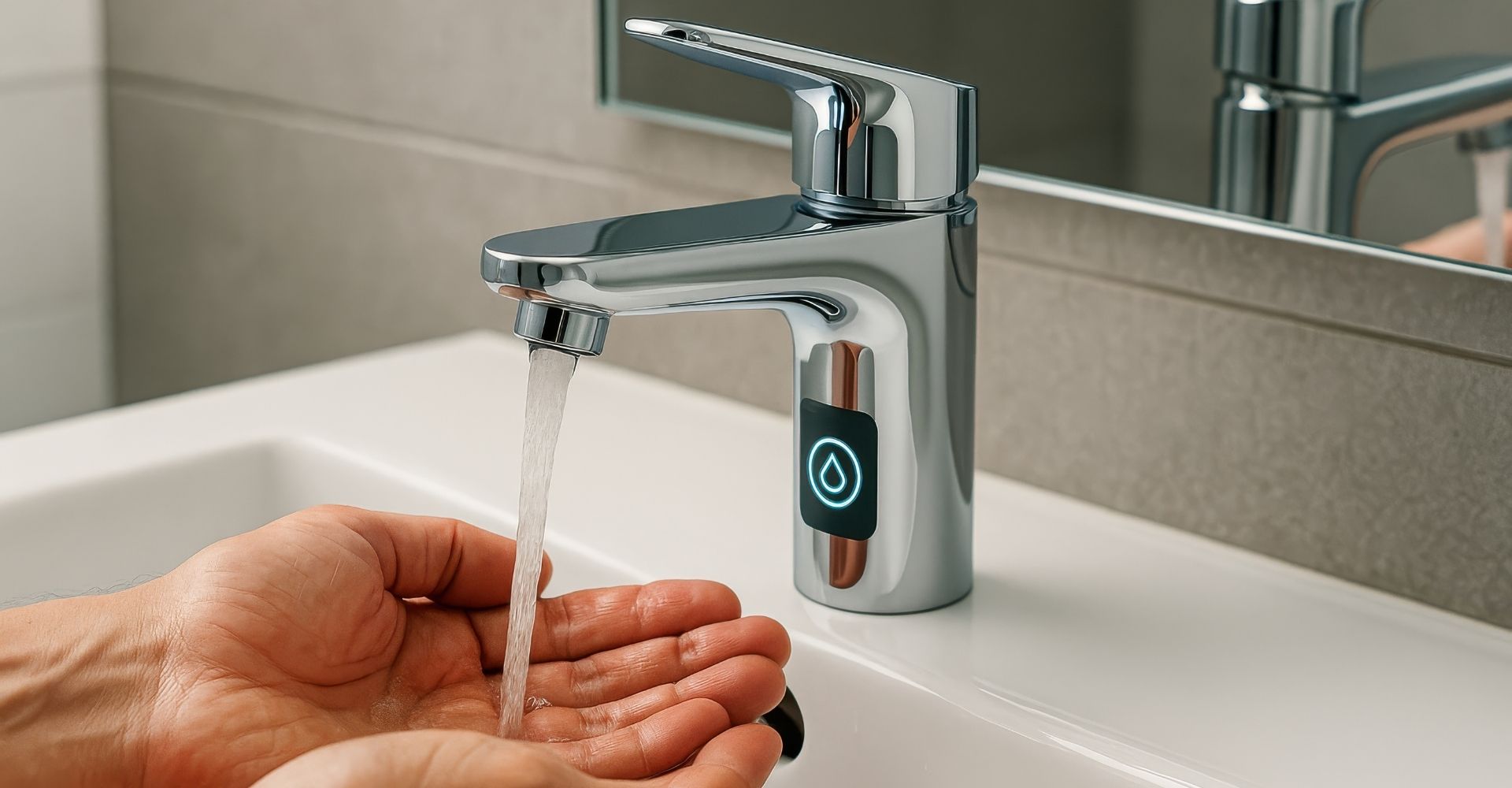
6. Maintain Your Water Heater for Safety and Efficiency
The water heater is one of the most hardworking appliances in your home. Regular maintenance will help prevent breakdowns, leaks, or sudden loss of hot water.
Things to inspect:
- Sediment buildup: Flushing the tank helps prevent overheating and damage.
- Temperature settings: Keep at 50–55°C to save energy and avoid scalding.
- Rust or corrosion: Indicates your heater or pipes need attention.
- Unusual noises: A popping sound suggests heavy sediment buildup.
Water heater repairs can be costly, so preventive care is essential. If the unit is older or showing signs of wear, consider calling a Plumber Singapore expert for a full inspection.
7. Practice Responsible Flushing Habits
Toilets are designed only for human waste and toilet paper. Anything beyond that increases the risk of clogs, sewer backups, and drainage issues.
Items you should never flush:
- Wet wipes
- Sanitary pads
- Cotton buds
- Dental floss
- Tissues
- Paper towels
- Plastic wrappers
Toilets can easily become clogged when non-biodegradable items accumulate. Keeping a small bin in the bathroom encourages better habits for everyone at home.
8. Insulate Pipes to Prevent Moisture Problems
Pipe insulation is one of the simplest ways to prevent plumbing issues. Insulated pipes reduce condensation, which helps avoid mould growth, dripping, and corrosion.
Key benefits:
- Prevents pipe sweating
- Helps maintain consistent water temperature
- Reduces noise from vibrating pipes
- Improves energy efficiency
- Protects pipes from sudden temperature changes
A small investment in insulation foam can save you thousands in repairs and replacements.
9. Get Annual Plumbing Inspections From Professionals
Even if everything looks fine, hidden plumbing issues may be developing behind walls, under floors, or inside pipes. That’s why routine inspections by a qualified Plumber Singapore service are invaluable.
What professionals usually check:
- Water pressure levels
- Pipe integrity
- Leaks and weak seals
- Drain speed and condition
- Water heater health
- Fixture performance
Regular check-ups help detect issues early, preventing major damage and expensive repairs.
10. Never Ignore Strange Noises, Smells, or Water Discoloration
Your plumbing system communicates problems through subtle signs. Paying attention to these signs helps prevent disasters.
Key warning signs:
- Gurgling drains → Potential blockage
- Sulphur smell in water → Water heater or drain issue
- Brown or rusty water → Corroded pipes or heater problems
- Water hammering → High pressure or loose pipes
- Slow drainage → Clogs forming in the system
When something seems off, addressing it early is better than waiting for it to worsen.
11. Maintain Your Outdoor Plumbing Too
Outdoor plumbing is often overlooked. This includes exposed pipes, outdoor drains, gutters, rainwater outlets, and garden hoses.
Maintenance tips:
- Keep outdoor drains free of leaves, mud, and debris.
- Ensure garden hoses aren’t left under pressure after use.
- Check outdoor taps for leaks or corrosion.
- Keep gutters clean to prevent water overflow into the home.
Taking care of outdoor plumbing reduces the risk of backflow, flooding, and erosion around the house.
12. Protect Your Pipes From Foreign Objects
Accidental damage to pipes is more common than people think. Simple activities like drilling walls, hanging shelves, or renovating can lead to punctured pipes if done carelessly.
Preventive steps:
- Know where your pipes are located before drilling.
- Use pipe detectors during renovation work.
- Avoid placing heavy items on exposed pipework.
Being cautious during renovations can prevent expensive pipe repairs.
Final Thoughts: Protect Your Home With Smart Plumbing Habits
Preventing plumbing issues doesn’t require technical expertise—just awareness and consistency. By adopting these habits, you can significantly reduce repair costs and extend the lifespan of your plumbing system.
From shutting off valves properly to monitoring water pressure, clearing drains, maintaining fixtures, caring for the water heater, and scheduling professional inspections, each step plays a crucial role in keeping your home safe and functioning.
And when something goes beyond your control, having a trusted Plumber Singapore specialist ensures your home is protected and your system is repaired professionally.