
Low water pressure can be more than just an inconvenience—it can affect daily routines, damage appliances, and even signal underlying plumbing problems. Many homeowners notice weak water flow in showers, slow-filling sinks, or inconsistent water from taps, yet often delay addressing it. Understanding the causes and diagnosing the problem correctly can save you both time and money. In Singapore, consulting a professional Plumbing Singapore service ensures accurate diagnosis and long-lasting solutions.
This guide will walk you through the process of diagnosing low water pressure in your home, covering potential causes, inspection techniques, preventive tips, and when to call a professional plumber.
Understanding Water Pressure in Your Home
Water pressure refers to the force at which water flows through your pipes. It is measured in pounds per square inch (PSI). Ideal residential water pressure typically ranges from 40 to 60 PSI. When pressure drops below this range, you may notice weak showers, slow faucets, or issues with appliances like washing machines and dishwashers.
Water pressure is affected by several factors, including:
- Pipe diameter and condition
- The height and layout of the building
- Municipal water supply and fluctuations
- Clogged or damaged fixtures
Low water pressure is often a symptom of deeper issues rather than a problem on its own. Proper diagnosis is essential to prevent further damage.
1. Check Your Home’s Main Water Valve
One of the simplest causes of low water pressure is a partially closed or malfunctioning main water shut-off valve. This valve controls the water supply entering your home.
Steps to inspect:
- Locate your main shut-off valve, usually near the water meter or where water enters the home.
- Ensure it is fully open. Turn it counterclockwise to open completely.
- Test water flow at multiple faucets to see if pressure improves.
Even a slightly closed valve can restrict water flow significantly. If the valve is stuck or damaged, contact a professional Plumbing Singapore team for repair or replacement.
2. Inspect Individual Fixture Valves
Every faucet, toilet, or appliance often has its own shut-off valve. These valves might be partially closed or corroded, reducing water flow.
How to check:
- Look under sinks, behind toilets, and near appliances.
- Turn each valve fully on and observe if water pressure improves.
- Replace old or faulty valves if necessary.
Checking fixture-specific valves helps isolate whether the low pressure is a system-wide issue or localized to certain areas.
3. Examine Your Pressure Regulator
Many homes in Singapore have a pressure-reducing valve (PRV) installed where water enters the property. This valve prevents high pressure from damaging pipes but can sometimes malfunction.
Signs of a faulty PRV:
- Sudden drop in water pressure throughout the house
- Water hammering (loud banging in pipes)
- Pressure fluctuation between fixtures
If you suspect a PRV problem, it’s best to call a Plumbing Singapore professional to test and adjust or replace the valve safely.
4. Check for Leaks in the Plumbing System
Hidden leaks are a common cause of low water pressure. Even a small leak can divert significant amounts of water and reduce flow at fixtures.
How to detect leaks:
- Inspect visible pipes for damp spots, corrosion, or dripping.
- Monitor your water meter when no water is in use; unexpected movement indicates leakage.
- Look for water stains on walls, ceilings, or under sinks.
Leaking pipes should be repaired immediately to prevent water damage, mold growth, and higher utility bills. Professional Plumbing Singapore services have advanced leak detection tools to locate hidden problems.
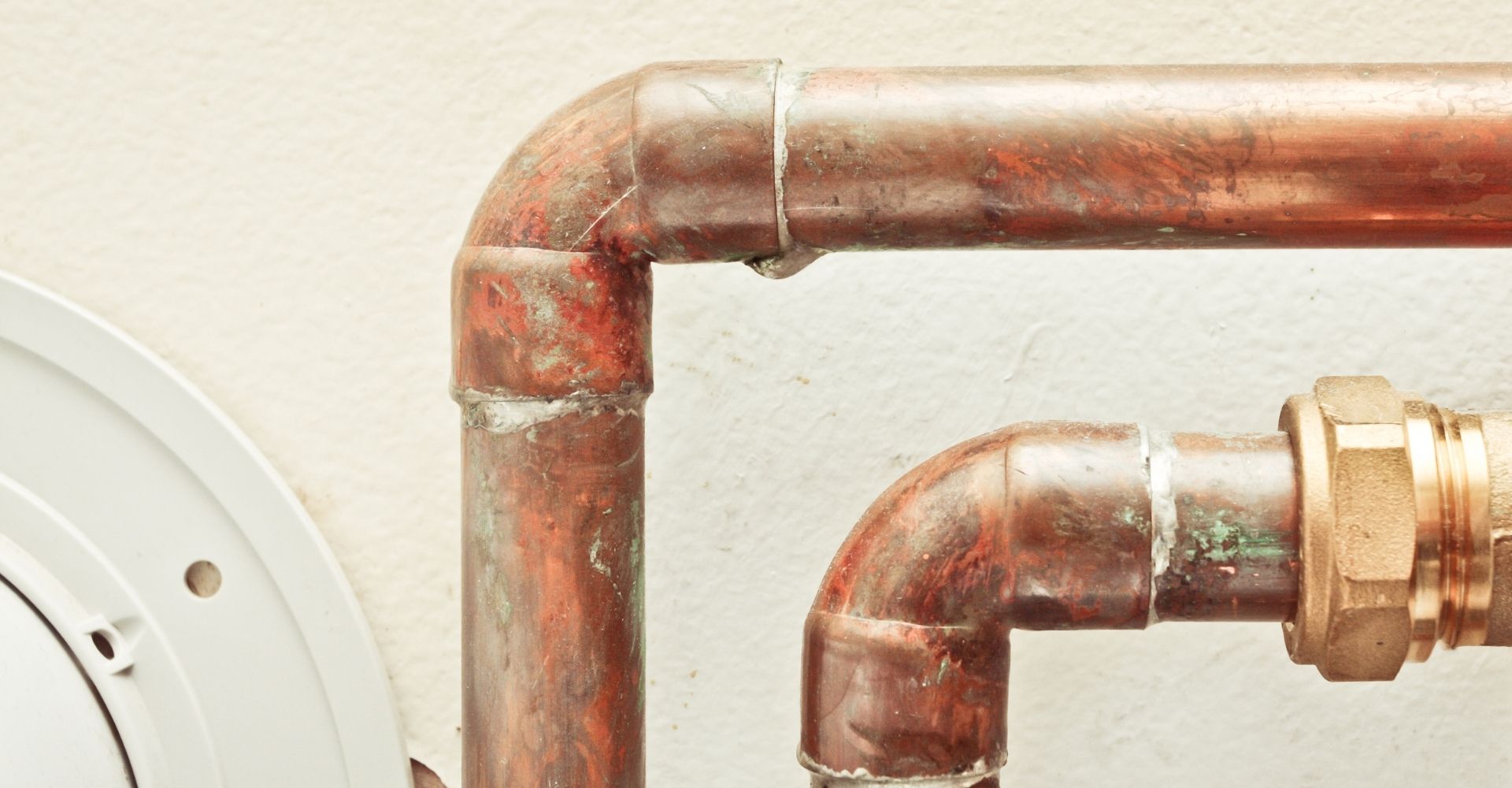
5. Identify Clogged or Corroded Pipes
Over time, mineral deposits, rust, or debris can build up inside pipes, reducing internal diameter and water flow. This is especially common in older homes with galvanized steel pipes.
Signs of clogged pipes:
- Pressure low at specific faucets but normal elsewhere
- Discolored water (brown, red, or cloudy)
- Noise from pipes as water struggles to flow
If pipes are corroded or heavily clogged, a plumber may need to clean, repair, or replace affected sections to restore proper flow.
6. Check for Municipal Supply Issues
Sometimes, low water pressure isn’t your home’s problem—it originates from the municipal supply.
What to do:
- Contact your local water authority to check for ongoing supply issues or maintenance.
- Observe if neighbors experience similar pressure drops.
- Confirm if recent construction or maintenance work might temporarily affect flow.
If the issue is widespread, it may resolve on its own once the municipal system stabilizes. For persistent low pressure, professional intervention is necessary.
7. Inspect Fixtures for Blockages
Clogged aerators, showerheads, or taps can create the impression of low water pressure. Mineral buildup often accumulates in these fixtures, restricting flow.
Maintenance steps:
- Remove aerators and showerheads.
- Soak them in vinegar overnight to dissolve mineral deposits.
- Rinse and reattach.
This simple step can improve flow without affecting the overall plumbing system. Regular cleaning every few months is recommended.
8. Consider the Impact of Pipe Diameter and Layout
The design and diameter of pipes influence water pressure. Narrow pipes, long runs, or multiple bends can naturally reduce flow. Similarly, taller buildings or homes with multiple floors may experience lower pressure on upper floors.
Solutions:
- Install a booster pump to increase water pressure to higher floors.
- Upgrade old narrow pipes to larger diameter ones if feasible.
- Consult a Plumbing Singapore expert to evaluate whether system design adjustments are needed.
9. Temperature Settings and Water Heaters
Sometimes, low water pressure occurs only with hot water. This often points to issues with your water heater or its connections.
Things to check:
- Sediment buildup in the water heater tank
- Partially closed shut-off valves to the heater
- Malfunctioning heater components restricting flow
Regular flushing and maintenance of water heaters can prevent pressure drops, improve efficiency, and prolong the unit’s lifespan.
10. Inspect for Air Locks in Pipes
Air trapped in pipes can reduce water flow and cause uneven pressure at taps. Air locks are more common after plumbing repairs, water shutdowns, or in homes with complex piping networks.
How to fix:
- Turn off the main water supply.
- Open all faucets starting from the lowest point in the house.
- Slowly turn the main supply back on, allowing trapped air to escape.
- Close faucets from top to bottom once water runs smoothly.
If air locks persist, a Plumbing Singapore professional can safely bleed the system.
11. Monitor Seasonal and External Factors
Certain environmental factors can affect water pressure:
- High water demand: During mornings or evenings, municipal pressure may drop.
- Maintenance work: Pipe cleaning, upgrades, or leaks in your area.
- Nearby construction: Disturbances in supply lines can temporarily reduce pressure.
Monitoring pressure patterns helps determine whether issues are temporary or require intervention.
12. Preventive Tips to Maintain Healthy Water Pressure
Maintaining water pressure isn’t just about fixing problems—it’s also about preventing them. Here are key preventive measures:
- Regularly inspect and clean taps and showerheads
- Schedule annual plumbing inspections
- Repair leaks promptly
- Flush water heaters at least once a year
- Upgrade old or corroded pipes
- Install water filters or softeners if hard water is present
- Avoid overloading your drainage system with debris
These simple habits help keep your plumbing system in top shape and reduce costly emergency repairs.
13. When to Call a Professional Plumbing Singapore Service
While DIY troubleshooting can solve minor issues, low water pressure often indicates underlying problems requiring expertise. A licensed Plumbing Singapore professional can:
- Detect hidden leaks using advanced tools
- Test and adjust water pressure regulators
- Clean or replace corroded pipes
- Inspect water heaters and install booster pumps
- Provide long-term solutions tailored to your home
Professional intervention ensures safety, efficiency, and prevents recurring issues.
Final Thoughts
Low water pressure may seem like a minor inconvenience, but it’s often a sign of more serious issues in your home’s plumbing system. From clogged fixtures and corroded pipes to hidden leaks and pressure regulator problems, diagnosing the cause correctly is key to avoiding damage, high water bills, and appliance failures.
By following the steps outlined in this guide—inspecting valves, checking fixtures, monitoring municipal supply, and maintaining water heaters—you can accurately identify and address low water pressure problems. Regular maintenance and early detection are the best strategies for long-term plumbing health.
For persistent or complex issues, consulting a professional Plumbing Singapore service ensures the problem is resolved safely and effectively, keeping your home’s water flow consistent and reliable.