
The kitchen sink is one of the most frequently used areas in a home. From washing dishes to prepping meals and cleaning vegetables, it handles a significant volume of water and debris every day. Yet, many homeowners overlook the importance of proper maintenance, which can lead to clogs, leaks, and unpleasant odours.
Keeping your kitchen sink and pipes running smoothly is not just about convenience—it protects your plumbing system and prevents costly repairs. While minor issues can often be addressed with simple maintenance, more complex problems may require you to Call Plumber Singapore for professional assistance.
This comprehensive guide explores practical tips, preventive measures, and expert advice to maintain healthy kitchen plumbing, ensuring long-lasting performance and avoiding unnecessary headaches.
Understanding Your Kitchen Plumbing System
Before implementing maintenance strategies, it’s essential to understand the key components of your kitchen plumbing system. The kitchen sink connects to:
- Supply lines delivering hot and cold water
- Drain pipes carrying wastewater away
- P-trap preventing sewer gases from entering your home
- Valves and fittings controlling water flow
Every component plays a crucial role in maintaining smooth operation. Problems in any section can affect the overall efficiency of your kitchen plumbing.
1. Prevent Food Debris from Entering the Drain
One of the most common causes of clogged kitchen sinks is food waste. Even small amounts of grease or food scraps can accumulate in pipes over time.
Tips to prevent blockages:
- Always use a sink strainer to catch food particles.
- Dispose of coffee grounds, eggshells, and fibrous vegetables in the trash rather than the sink.
- Avoid pouring leftover fats, oils, or grease down the drain—they solidify and cause clogs.
A small habit like this significantly reduces the risk of blockages and maintains smooth water flow. If stubborn clogs appear despite precautions, it’s time to Call Plumber Singapore for professional drain cleaning.
2. Regularly Clean Your P-Trap
The P-trap is the curved pipe under your sink that holds water to prevent sewer gases from entering your kitchen. It also traps debris, which can lead to clogs if not cleaned.
How to clean a P-trap:
- Place a bucket under the sink to catch water.
- Loosen the slip nuts and remove the P-trap.
- Clear out trapped debris and rinse thoroughly.
- Reassemble and check for leaks.
Cleaning the P-trap every few months helps maintain proper drainage and prevents foul odours. For tricky or recurring issues, a Call Plumber Singapore professional can handle deeper cleaning or replacement.
3. Avoid Harsh Chemicals for Clogs
While chemical drain cleaners may seem like a quick fix, they often damage pipes and do not address underlying causes. Repeated use can corrode metal pipes and deteriorate seals, leading to leaks.
Safer alternatives:
- Use a plunger to dislodge minor clogs.
- Employ a drain snake or auger for stubborn blockages.
- Pour a mixture of baking soda and vinegar down the drain monthly to maintain flow.
For persistent blockages, it’s safer and more effective to Call Plumber Singapore, as professionals have the right tools and expertise.
4. Flush Drains with Hot Water
Hot water helps dissolve grease and soap residue, preventing buildup in pipes.
How to do it:
- Boil a kettle of water or use the tap’s hot water line.
- Slowly pour hot water down the drain once a week.
- Follow up with cold water to rinse away loosened debris.
Regular flushing keeps drains free-flowing and reduces the need for chemical cleaners.
5. Keep Garbage Disposals Clean
Garbage disposals make kitchen waste disposal easier, but they require regular cleaning to prevent odours and clogs.
Maintenance tips:
- Run cold water while operating the disposal.
- Grind ice cubes and citrus peels to clean blades and remove odours.
- Avoid putting fibrous, starchy, or hard materials in the disposal.
If your disposal is slow, jams frequently, or leaks, a Call Plumber Singapore visit ensures safe repair or replacement.
6. Check for Leaks Regularly
Leaks under the sink can go unnoticed until significant water damage occurs. They not only waste water but can also cause mould, rot, and structural damage.
Common areas to inspect:
- Around faucet bases
- At pipe joints and fittings
- The P-trap and tailpiece
- Supply line connections
Even minor drips should be addressed promptly. For complex leaks, always Call Plumber Singapore to prevent further damage.
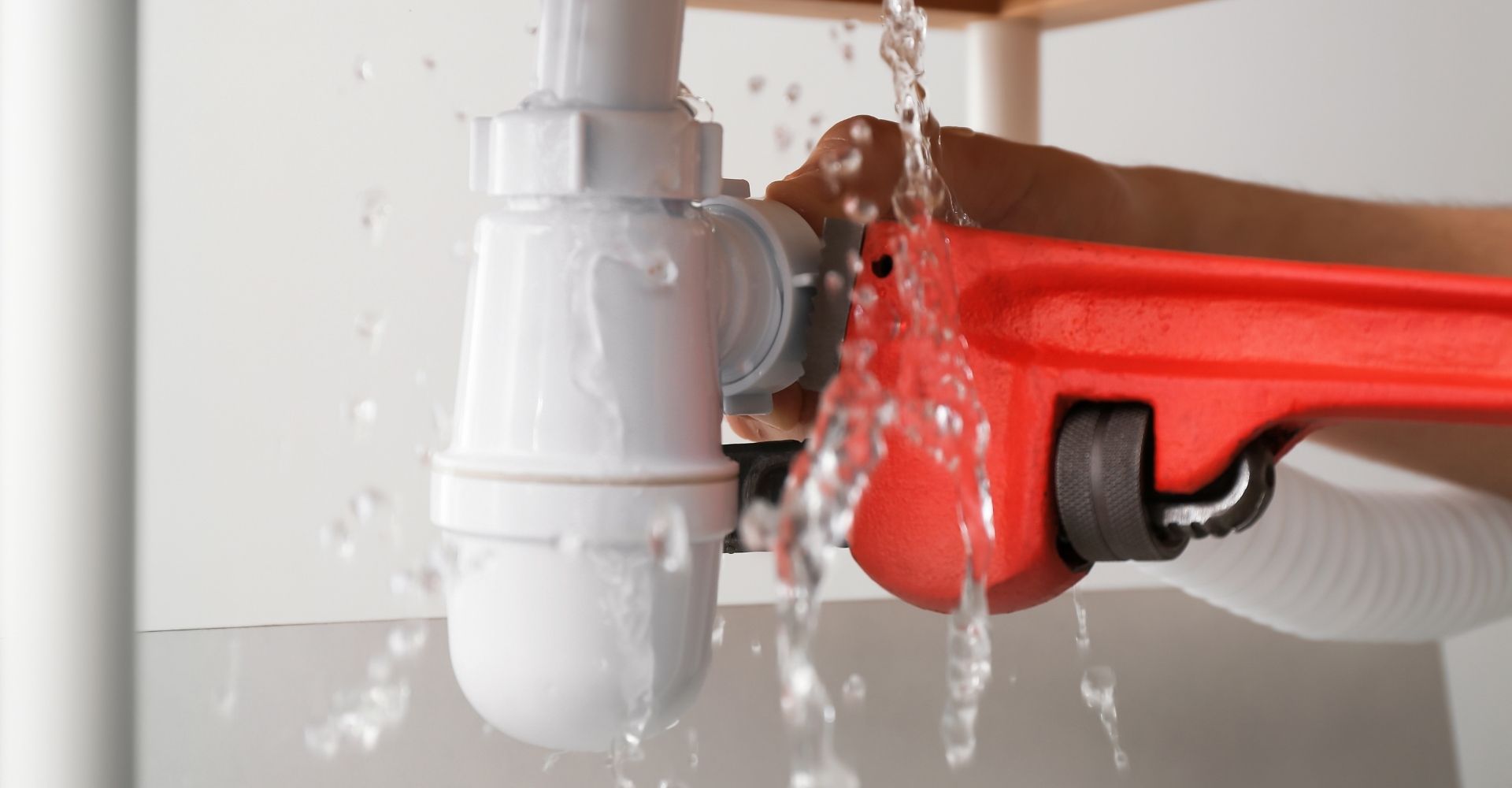
7. Maintain Your Kitchen Faucet
A malfunctioning faucet can affect water flow and pressure, impacting daily activities.
Maintenance tips:
- Remove and clean aerators to remove mineral buildup.
- Check for loose or worn washers and replace as needed.
- Inspect and tighten connections regularly.
Routine faucet care improves efficiency, prolongs the fixture’s life, and avoids leaks.
8. Install Water Filtration Systems
Water quality affects both your plumbing system and household health. Minerals, sediment, and impurities can accumulate in pipes over time.
Benefits of filtration:
- Reduces scale buildup and extends pipe lifespan
- Improves water taste and safety for cooking
- Protects appliances connected to the water line
For installation or upgrades, a Call Plumber Singapore expert ensures proper setup and maintenance.
9. Use a Sink Strainer or Drain Guard
Small items like food scraps, jewelry, or utensil fragments can accidentally fall into the sink, causing clogs.
Tips:
- Always keep a strainer in your sink.
- Clean the strainer daily to prevent accumulation.
- Replace worn or damaged strainers.
This simple tool prevents minor debris from becoming major plumbing headaches.
10. Avoid Overloading Your Pipes
Running large volumes of water with heavy debris can strain your pipes. For example, pouring oil down the drain while washing greasy dishes can create blockages over time.
Safe practices:
- Pour grease into a container and dispose of it in the trash.
- Rinse dishes before placing food scraps down the drain.
- Run water continuously when using your disposal to prevent buildup.
Following these practices reduces clogs and maintains smooth water flow.
11. Address Hard Water Issues
Hard water, rich in calcium and magnesium, can lead to limescale buildup in pipes and faucets, affecting water flow and appliance performance.
Solutions:
- Install a water softener to reduce mineral deposits.
- Clean aerators, faucets, and appliances regularly to prevent scaling.
- Have a professional Call Plumber Singapore if scaling is severe or affecting the entire plumbing system.
Proper management of hard water extends the life of pipes and fixtures.
12. Educate Household Members on Proper Use
Everyone in your home contributes to the condition of your kitchen plumbing. Teaching family members proper usage habits prevents unnecessary damage.
Best practices to communicate:
- Avoid pouring grease or oil down the sink
- Use strainers consistently
- Do not insert foreign objects into garbage disposal
- Report leaks or unusual sounds promptly
Shared responsibility ensures long-term efficiency and reduces maintenance costs.
13. Schedule Regular Plumbing Inspections
Even with excellent daily care, some problems are not visible. Periodic professional inspections can detect hidden issues before they escalate.
What professionals check:
- Pipe integrity and corrosion
- P-trap and drain condition
- Leaks and water pressure
- Functioning of garbage disposal and faucet
- Water quality and filtration systems
Hiring a Call Plumber Singapore team for annual inspections keeps your plumbing system in top condition.
14. Know When to Call a Professional
Some plumbing issues require expert attention. Ignoring these problems can lead to severe water damage, costly repairs, or even health hazards.
When to call a professional:
- Persistent slow drains or repeated clogs
- Major leaks under the sink
- Water hammer or unusual noises in pipes
- Faulty garbage disposal or faucet
- Signs of mould, odour, or water damage
Professional plumbers have the tools, expertise, and experience to solve complex issues safely and effectively.
Final Thoughts
Maintaining your kitchen sink and pipes doesn’t have to be complicated. Simple habits like using strainers, cleaning the P-trap, flushing drains, and monitoring for leaks go a long way toward preventing clogs and damage. Regular maintenance, combined with professional inspections, ensures your plumbing system functions smoothly and efficiently.
By following these tips and knowing when to Call Plumber Singapore, you can protect your home from costly repairs, improve water quality, and enjoy a hassle-free kitchen for years to come.